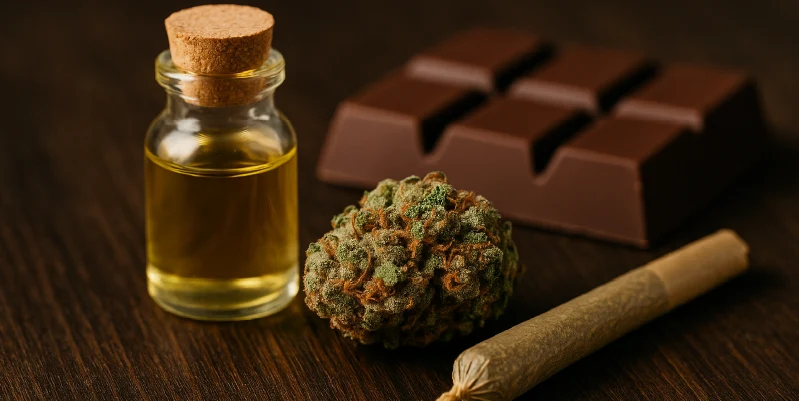
Functional THC, For years, the cannabis industry has been dominated by a fixation on high THC percentages. Products boasting 30%+ THC levels crowd dispensary shelves, and many consumers still equate potency with value. But that mindset is shifting. As discussed in MJBizDaily’s analysis, this “THC addiction” may be holding back product innovation and consumer education.
A growing number of brands and consumers are now embracing functional THC—formulations designed not just to get you high, but to help you feel something specific: calm, focus, clarity, connection, rest. This approach moves cannabis from intensity to intentionality.
“The industry is realizing there’s a broad spectrum between sobriety and intoxication,” said Chris Emerson, CSO at LEVEL, in a recent MJBizDaily interview. “Functional THC is about living better—not just getting high.”
Moving Past the Numbers
While the market is still influenced by THC labeling and inflated lab results—as revealed in this report on potency manipulation—consumers are becoming more curious about the actual experience a product delivers. That includes terpene profiles, minor cannabinoids like CBN and CBG, and formulation strategies.
Research from Headset confirms the potency race has been intensifying for years, but many consumers are now exploring alternatives. This shift is especially visible among Gen Z, a demographic driving the rise of sober curiosity, wellness habits, and mindful consumption. According to The Conversation, younger consumers are embracing lower-potency cannabis and functional formulations over heavy use.
Functional THC in Practice
Functional THC means combining cannabinoids, terpenes, and ingredients like adaptogens—plant-based compounds known for supporting stress response and balance. As outlined by Cleveland Clinic, adaptogens like ashwagandha or ginseng may support mood and resilience, making them natural complements to cannabis in a wellness context.
This evolution also aligns with multi-layered consumption experiences, where intention drives product design. That’s why functional THC is increasingly found in low-dose edibles, beverages, and formats that encourage precision and purpose—not overconsumption. Insights from BDSA show a rising interest in cannabis beverages and small-format products designed for everyday use rather than intoxication.
Why Chocolate is the Perfect Functional Format
Edibles, particularly chocolate, are becoming a preferred delivery method for functional THC. And it’s not just about taste. Dark chocolate naturally contains compounds like theobromine and anandamide, both of which influence mood, calm, and focus.
Jersey Canna has embraced this synergy by creating infused chocolates that prioritize wellness-forward experiences. By pairing high-quality cocoa (rich in flavonoids) with carefully balanced THC or CBD formulations, their edibles deliver not just effects—but elevated intention.
You can explore more about their approach to functional, plant-based relief at jersey-canna.com.
What the Future Holds
Consumers are no longer satisfied with generic “strong” products. They want to understand how a product will make them feel, how long it will last, and how it fits into their lifestyle. Whether it’s easing anxiety after work, enhancing creativity, or supporting deep sleep, cannabis is becoming a functional tool.
As MJBizDaily notes, the cannabis space is evolving quickly. Brands that center education, intention, and formulation—rather than raw strength—are building stronger trust and long-term consumer loyalty.
And with clinical reviews (like this study from PMC) reinforcing the interplay between cannabinoids, neurotransmitters, and plant compounds like flavonoids, the science is catching up to what users are already feeling.
Final Thoughts
Functional THC isn’t a trend—it’s a recalibration. It moves cannabis away from blunt force and toward thoughtful, precise, and personally meaningful use. In the process, it opens doors for innovation across categories like microdosing, infused foods, and chocolate-based wellness rituals.
Brands like Jersey Canna are showing that cannabis can be indulgent and intentional, flavorful and functional. And that’s exactly what consumers are craving: less noise, more nuance.