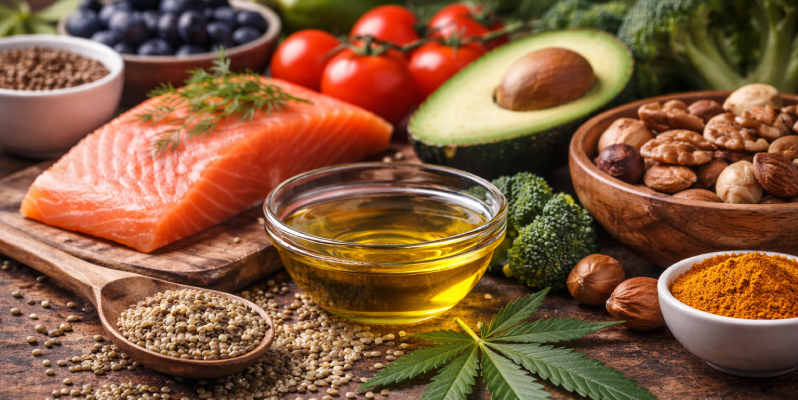
The endocannabinoid system (ECS) is a complex network of receptors, enzymes, and signaling molecules that plays a central role in regulating homeostasis—our body’s internal balance. While often associated with cannabis, this system is present in all humans and is influenced by far more than cannabinoids alone.
Emerging research suggests that nutrition may directly impact ECS activity, helping regulate stress response, inflammation, sleep, metabolism, and mood. In this blog, we explore how everyday food choices—from healthy fats to plant flavonoids—can support and modulate your ECS.
Learn more about the science-forward approach to cannabinoids and wellness at Jersey Canna.
What Is the Endocannabinoid System?
The ECS consists of three core components:
- Endocannabinoids (such as anandamide and 2-AG): naturally produced molecules that bind to ECS receptors.
- CB1 and CB2 receptors: located throughout the body, especially in the brain, immune system, and gut.
- Enzymes: responsible for breaking down endocannabinoids after use.
This system influences nearly every physiological process—including appetite, mood, pain sensation, immune response, and sleep cycles. Dysregulation of the ECS has been linked to conditions like anxiety, chronic pain, metabolic disorders, and more .
Can Food Influence ECS Activity?
Yes. While cannabinoids like THC and CBD interact directly with ECS receptors, certain nutrients and compounds in food can also influence ECS tone and performance. These food-based components may:
- Stimulate endocannabinoid production
- Inhibit enzymes that degrade endocannabinoids
- Support receptor sensitivity
- Promote homeostasis through anti-inflammatory and antioxidant action
Let’s look at the most impactful food groups.
Healthy Fats and the ECS
The ECS is built on lipid signaling—meaning fat-based molecules play a central role. Both anandamide and 2-AG are synthesized from omega-6 and omega-3 fatty acids, making dietary fat crucial to endocannabinoid function.
- Omega-3s (from chia seeds, walnuts, flax, fatty fish) support endocannabinoid synthesis and receptor function.
- Excess omega-6s (from seed oils, processed foods) may overstimulate or dysregulate ECS signaling if not balanced with omega-3s.
A balanced omega-3 to omega-6 ratio is essential. According to Cleveland Clinic, modern Western diets often skew heavily toward omega-6s, potentially creating inflammation that affects ECS stability.
Cacao and ECS-Active Compounds
Dark chocolate and raw cacao contain several compounds that naturally interact with the ECS:
- Anandamide – a “bliss molecule” that mimics endocannabinoids
- N-acylethanolamines – which inhibit FAAH (the enzyme that degrades anandamide)
- Theobromine – which may modulate mood and CNS function
These compounds may prolong endocannabinoid activity in the brain and body, enhancing mood, reducing anxiety, and promoting a sense of balance.
Flavonoids and Polyphenols
Plant-based compounds like flavonoids and polyphenols also play a role in ECS regulation by:
- Acting as antioxidants
- Supporting CB receptor modulation
- Inhibiting enzymes like FAAH and MAGL
Foods rich in these include:
- Berries
- Green tea
- Citrus
- Turmeric
- Dark leafy greens
These compounds are being actively studied for their neuroprotective and ECS-modulating properties, as noted in this NIH publication.
Gut-Brain Connection and ECS Crosstalk
Recent studies highlight the link between the gut microbiome and ECS activity. Fermented foods (like kimchi, sauerkraut, yogurt) and prebiotic fibers (from garlic, onions, bananas) may indirectly modulate ECS tone through gut–brain signaling pathways.
A healthy gut appears to enhance ECS expression in both the GI tract and brain—further supporting mood regulation, inflammation control, and metabolic balance.
Foods That May Influence the Endocannabinoid System
| Nutrient / Compound | Example Foods | ECS Interaction |
| Omega-3 fatty acids | Flax, chia, salmon | Boost endocannabinoid synthesis |
| Anandamide analogs | Cacao, dark chocolate | Mimic ECS molecules, inhibit degradation |
| Flavonoids | Berries, green tea, kale | Modulate CB receptors, reduce oxidative stress |
| Prebiotics | Onions, garlic, bananas | Enhance ECS-gut axis and immune modulation |
| Anti-inflammatory oils | Olive oil, avocado | Support ECS stability through lipid signaling |
What Happens When the ECS Is Nutritionally Deficient?
Poor nutrition, chronic inflammation, and low-fat or highly processed diets may lead to ECS dysregulation, which manifests as:
- Chronic stress
- Anxiety or mood disorders
- Sleep issues
- Poor immune response
- Metabolic dysfunction
This has led some researchers to propose the idea of Clinical Endocannabinoid Deficiency (CECD)—a state in which the body doesn’t produce enough endocannabinoids for optimal balance .
While still a hypothesis, the dietary connection is gaining traction among integrative health professionals.
Cannabis, Food, and Functional Synergy
Cannabis compounds don’t work in isolation. Their effects are often enhanced or balanced by the nutritional context in which they are consumed. For example, consuming cannabinoids alongside:
- Healthy fats may improve bioavailability
- Cacao or adaptogens may modulate intensity and mood
- Anti-inflammatory foods may support smoother recovery
This reinforces the concept that functional cannabis use goes hand in hand with functional nutrition, as supported by market research trends noted by MJBizDaily.
Final Thoughts: Food as an Ally to the ECS
The endocannabinoid system is a nutritional interface—sensitive to what we eat, how we metabolize fats, and the quality of our plant-based compounds. Supporting it doesn’t necessarily require supplements or isolates. It starts with food.
At Jersey Canna, we believe that understanding how cannabinoids and nutrition align is key to a more balanced, body-aware cannabis experience. Informed choices—from your plate to your edible—can change the way you feel.